Why flooring types matters
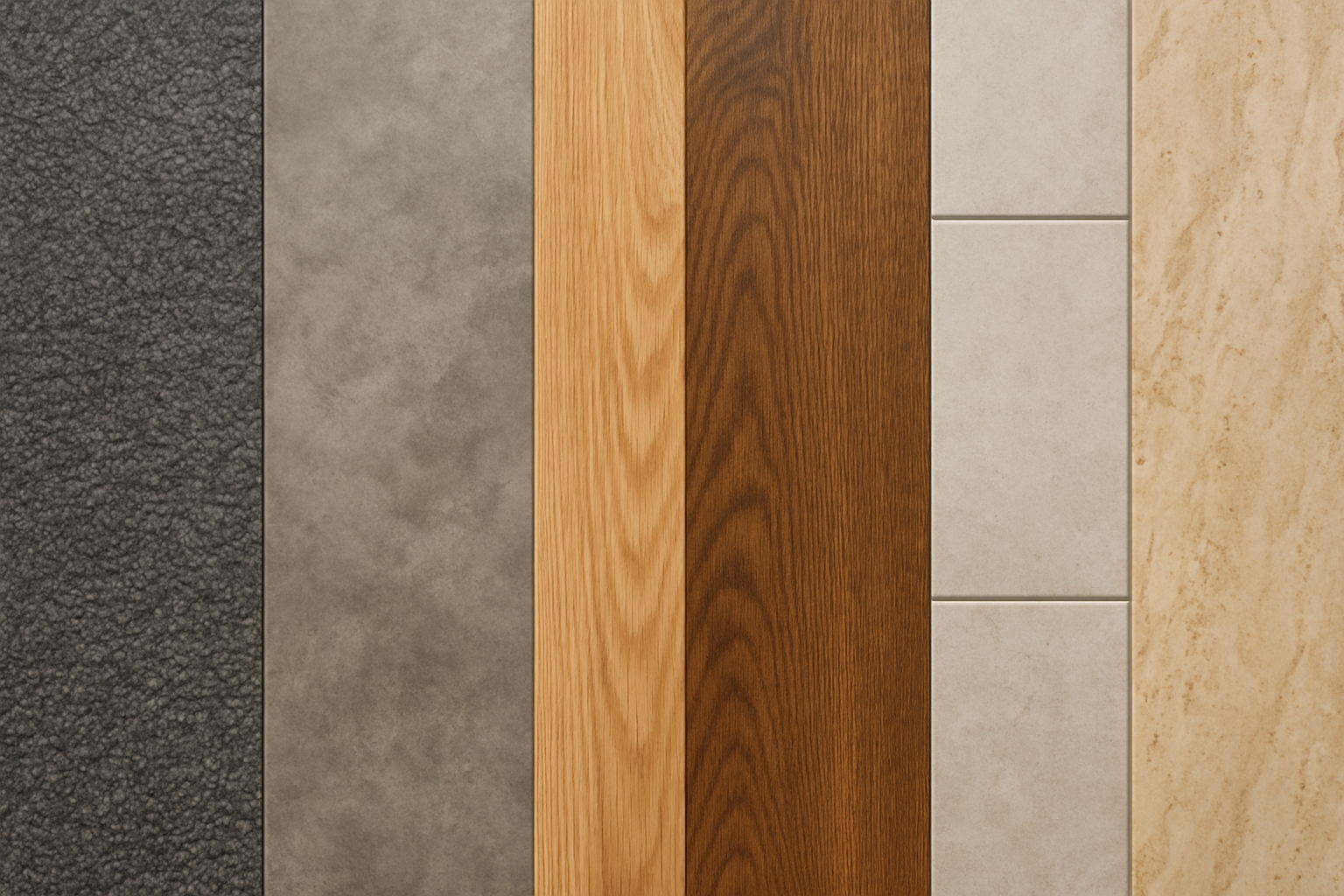
Choosing the right flooring material affects a room’s durability, comfort, and style. Each type has unique strengths and weaknesses that impact installation and maintenance. Understanding these differences helps avoid costly mistakes and ensures the floor performs well over time.
Hardwood flooring options
Hardwood floors offer classic beauty and long-lasting value. Common species include oak, maple, and cherry, each with distinct grain patterns and hardness levels. A key consideration is the wood’s finish and thickness, which affect refinishing potential and wear resistance.
One frequent mistake is selecting a wood species too soft for high-traffic areas, leading to premature dents and scratches. Additionally, hardwood expands and contracts with humidity changes, so proper acclimation and installation techniques are critical to prevent gaps or buckling.
Laminate flooring varieties
Laminate flooring mimics wood or stone at a lower cost. It consists of a photographic layer over fiberboard with a protective wear layer on top. While durable and scratch-resistant, laminate is vulnerable to water damage because it is not waterproof.
Choosing the right thickness and locking system is important. Thinner laminates may feel hollow and less stable, while poor locking mechanisms can cause gaps over time. Laminate is best suited for dry areas and moderate foot traffic.
Vinyl and luxury vinyl plank flooring
Vinyl flooring is popular for its water resistance and versatility. Luxury vinyl planks (LVP) offer realistic wood looks with added durability. A tradeoff to consider is that vinyl can dent under heavy furniture and may emit volatile organic compounds (VOCs) if low-quality materials are used.
Installation methods vary from glue-down to click-lock systems. Improper subfloor preparation can lead to uneven surfaces and premature wear. Vinyl’s resilience makes it ideal for kitchens and bathrooms where moisture is a concern.
Tile flooring types and uses
Tile comes in ceramic, porcelain, and natural stone varieties. Porcelain tiles are denser and less porous than ceramic, making them better for wet areas. Natural stone offers unique aesthetics but requires sealing and more maintenance.
For a detailed overview of types of flooring, including tile and other materials, this resource provides valuable insights.
One challenge with tile is ensuring a level subfloor to prevent cracking. Grout selection also affects durability and appearance. Tiles can be cold and hard underfoot, so underfloor heating or area rugs may be necessary for comfort.
Carpet installation and materials
Carpet adds warmth and sound absorption but varies widely in fiber type, density, and pile height. Nylon and polyester are common fibers, each with different stain resistance and durability. Wool carpets are luxurious but more expensive and require special care.
Installation quality impacts carpet lifespan. Poor stretching or inadequate padding can cause wrinkles and premature wear. Carpets are less suitable for areas prone to moisture or heavy soiling.
Bamboo and cork flooring alternatives
Bamboo flooring is a fast-growing alternative to hardwood with similar hardness but different moisture sensitivities. Strand-woven bamboo is the hardest type, but cheaper versions can dent easily. Cork flooring offers cushioning and sound absorption but can fade in direct sunlight and dent under heavy loads.
More detailed advice on installation and care can be found in this comprehensive flooring guide.
Both materials require careful sealing and maintenance to prevent moisture damage. Their unique properties make them suitable for specific applications where comfort and appearance are priorities.
Concrete flooring finishes
Concrete floors are durable and low maintenance but need proper finishing to avoid cracking and dusting. Options include polishing, staining, and sealing. A common pitfall is neglecting subfloor preparation, which can lead to uneven surfaces and moisture problems.
Concrete can be cold and hard, so it is often combined with area rugs or radiant heating for comfort. Its industrial look suits modern interiors but may require professional installation for best results.