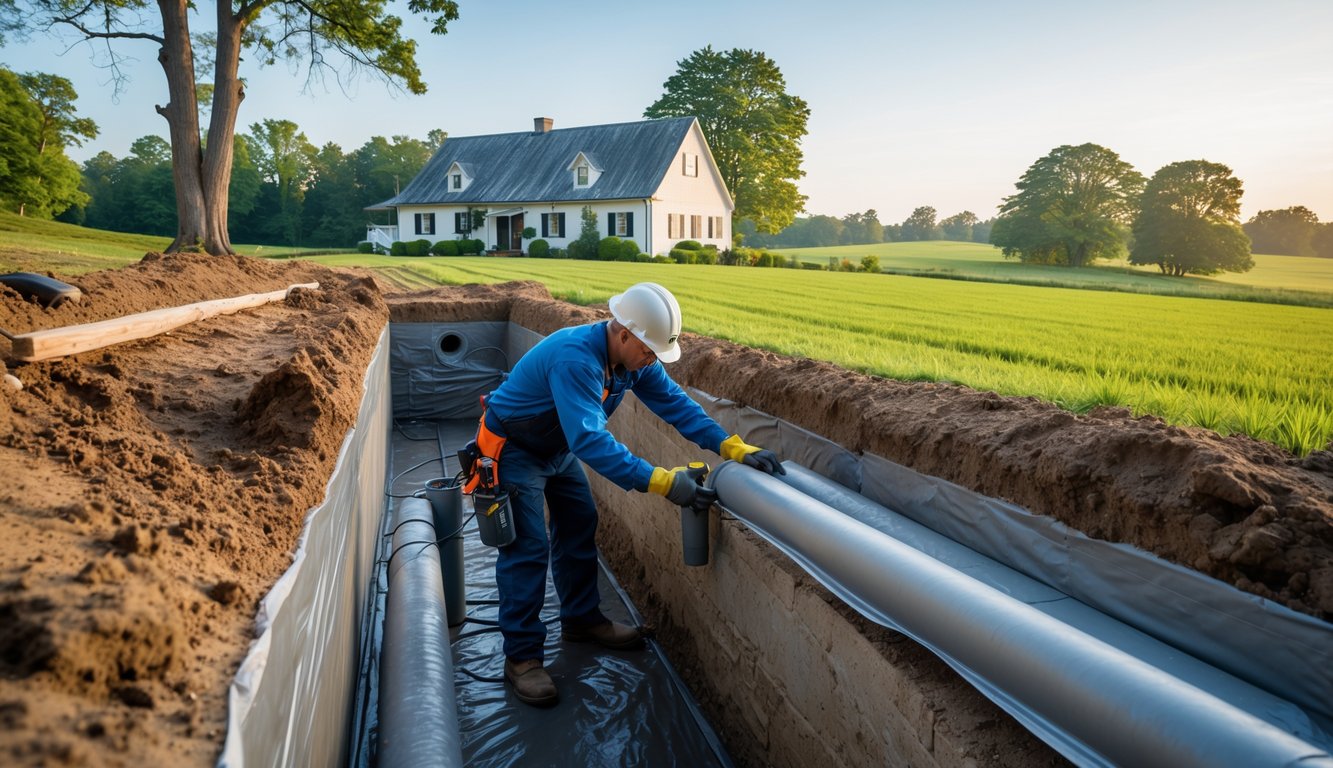
Southern Ontario Solutions for Basement Moisture Control
If you own a rural home in Southern Ontario, you know that keeping your basement dry can be a real challenge. Basement waterproofing is essential for protecting your property from water damage, mold, and expensive repairs. The unique weather conditions and soil in this region can make basements especially vulnerable to leaks and moisture problems.
Ignoring basement water issues puts both your home’s structure and your family’s health at risk. With the right assessments and solutions—like drainage systems, crack repairs, and regular maintenance—you can keep your basement dry and usable throughout the year.
What Are We Covering?
- Rural basements in Southern Ontario face unique water risks.
- Effective basement waterproofing methods protect your home and health.
- Ongoing maintenance is key to preventing future problems.
Understanding Basement Water Issues in Rural Southern Ontario
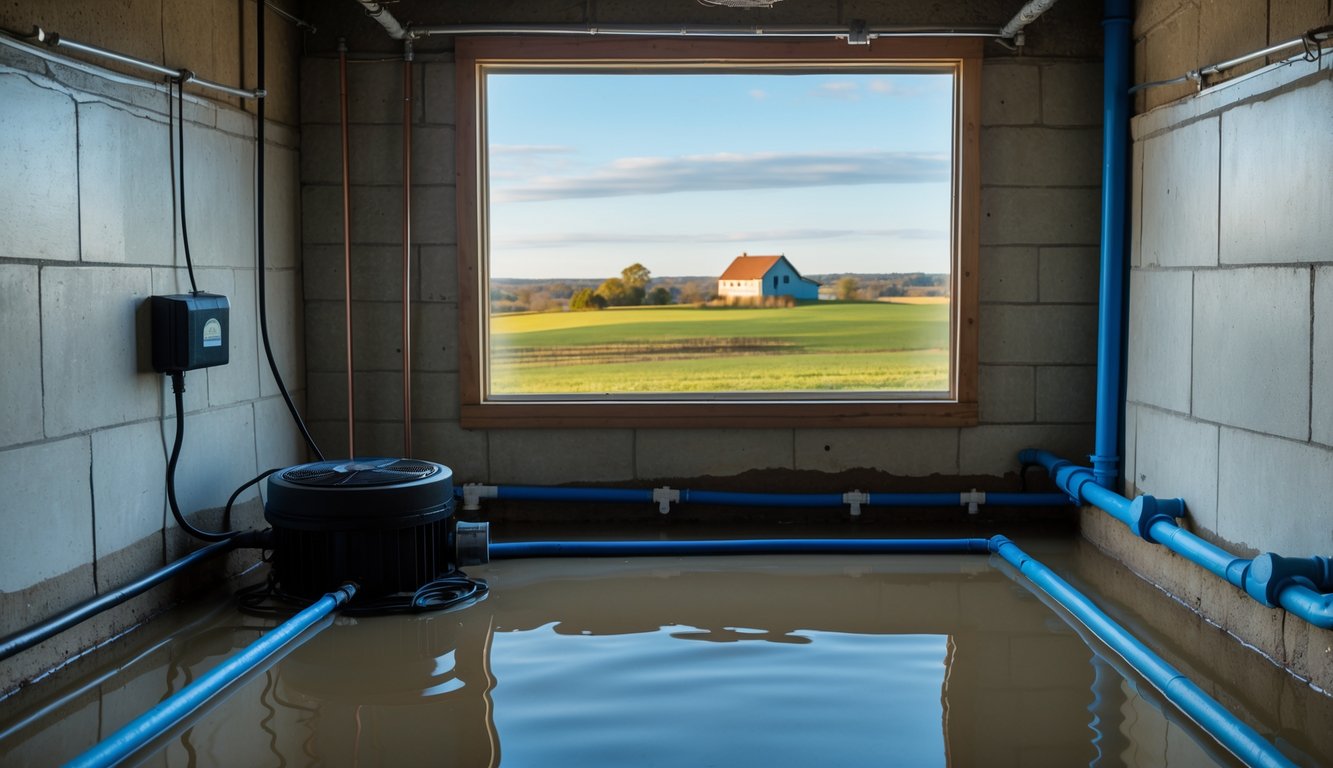
Basement water problems in rural Southern Ontario are often caused by more than just rainfall. The unique landscape, soil types, and changing weather during different times of year all play a big part.
Common Causes of Wet Basements
Many rural homes in Southern Ontario are built on sloped land or near fields, which can direct water toward the building. Poor drainage is a frequent issue, especially when downspouts, gutters, or perimeter drains are missing or not working well. Over time, water can seep through small cracks in the foundation, leading to a damp or wet basement.
In some cases, older homes may have aging infrastructure, such as damaged weeping tiles or clogged drains. Without proper grading, water can pool near the foundation and enter through walls or floors. Blocked window wells also allow water to collect and leak inside. Wet basements can limit storage, damage belongings, and increase the risk of health problems due to mold and mildew growth, as seen in cases across Southern Ontario.
Hydrostatic Pressure and Terrain Factors
Hydrostatic pressure is a common reason water seeps into basements. When the ground around your home becomes saturated, the weight of water pushes against the basement walls and floor. This can force moisture through tiny gaps and even cause visible leaks.
In rural Ontario, soil is often made up of clay or silt, which tends to hold moisture. Areas with high water tables experience more hydrostatic pressure, especially after heavy rain or snow melt. Hilly terrain can make this problem worse, causing water to run toward lower-lying buildings. Consistent moisture against your foundation can lead to long-term water issues and foundation cracks.
Seasonal Rain and Climate Considerations
Wet conditions in Southern Ontario are most common during spring thaws and after periods of heavy rain in summer and fall. According to regional data, rainfall averages between 70-90 mm per month during these times, often overwhelming older drainage systems.
Melting snow also increases the risk of water damage each spring, as frozen ground prevents water from soaking in. Extended wet weather means the surrounding soil stays saturated for longer, which makes basements more vulnerable to leaks. If your drainage system is not working well, or your property sits in a low spot, the risk of water entering your basement grows with each wet season, as explained on regional waterproofing resource pages.
Assessing Your Basement: Signs and Risks

Early detection of water problems and related risks is vital for keeping your basement safe and your property strong. Knowing what to look for in your basement can help prevent expensive repairs and protect your family’s health.
Foundation Cracks and Structural Concerns
Cracks in your foundation are often the first hint something is wrong. Check basement walls and floors for new or widening cracks. Small hairline cracks may seem harmless but can grow over time, especially with repeated freezing and thawing in Southern Ontario.
Large or uneven cracks may signal trouble for your basement’s structural integrity. Serious cracks can let water seep in, weakening the walls and threatening the stability of your home. Pay special attention to any horizontal or stair-step cracks, as these are more likely to point to pressing structural damage. Water often enters through these faults, leading to further deterioration. You can learn more about the warning signs and risks of basement water damage at Frontiers Foundation.
Water Stains, Mildew, and Mold Growth
Visible moisture signs, such as water stains on walls or floors, are a clear warning. Stains might be yellow, brown, or even greenish. These often show up after heavy rainfall or spring snowmelt. Persistent moisture problems can also lead to musty smells and damp surfaces.
Mildew and mold growth usually start in corners, around windows, or near plumbing fixtures. Mold can appear white, black, or green and often spreads quickly if left untreated. Mold and mildew not only damage your basement’s materials but can also spread to other parts of your home if the moisture isn’t fixed. Regular checks can help you spot these problems before they get worse. Read more about common basement warning signs.
Identifying Health Hazards
Mold and mildew aren’t just unsightly—they can create real health hazards in your home. Breathing in spores may trigger allergies, asthma attacks, and other respiratory problems, especially for children and older adults.
Long-term mold exposure has been linked to coughing, headaches, sinus congestion, and skin irritation. If you notice an increase in allergy or asthma symptoms, this could be a sign of hidden mold or water in your basement. It’s important to remove the source of moisture and clean affected areas quickly to keep your indoor air safe. Certain molds, like black mold, can be particularly harmful if they get out of control. Regular inspections and fast action may help keep serious health issues at bay, as outlined by Frontiers Foundation’s guide to recognizing basement water damage.
Key Basement Waterproofing Solutions
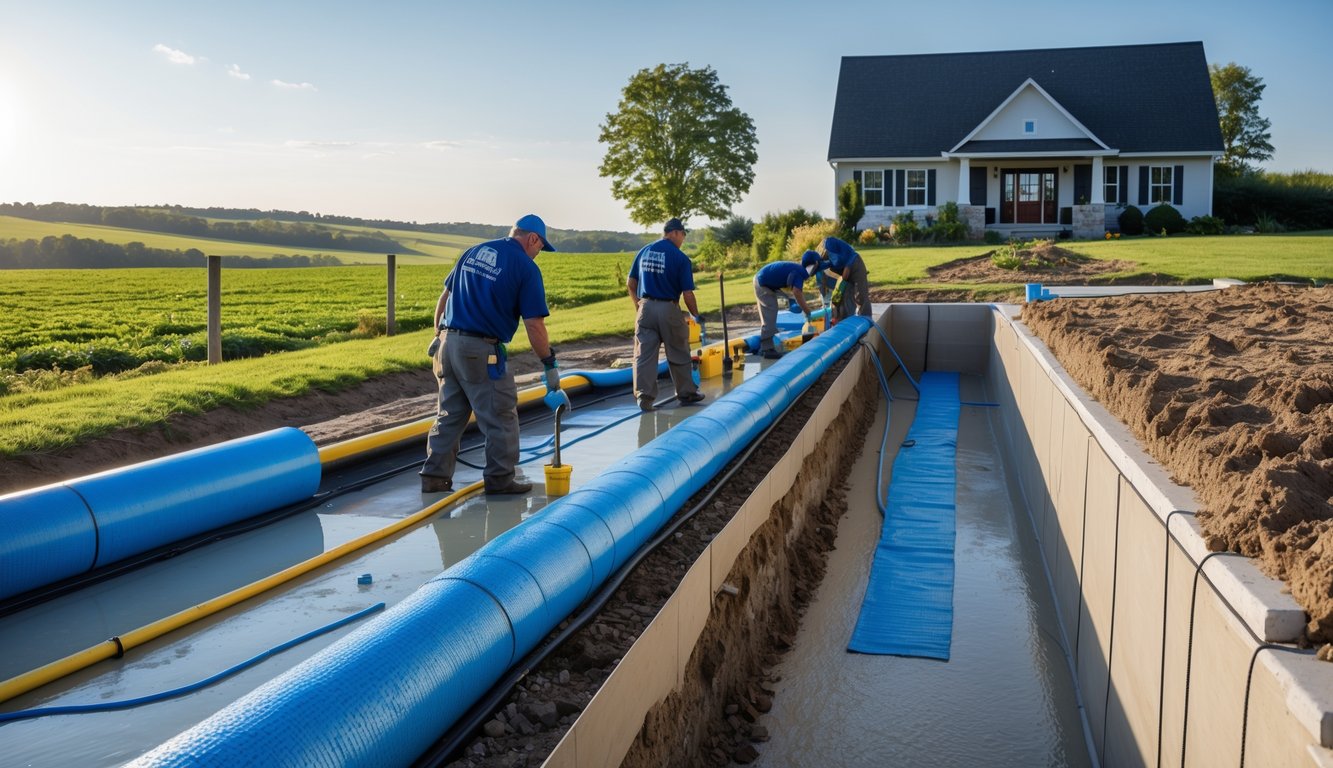
Protecting your basement in rural Southern Ontario means choosing the right waterproofing methods for your property. Different techniques address water entry from both outside and inside, and using quality materials makes a big difference in long-term protection.
Exterior Waterproofing Methods
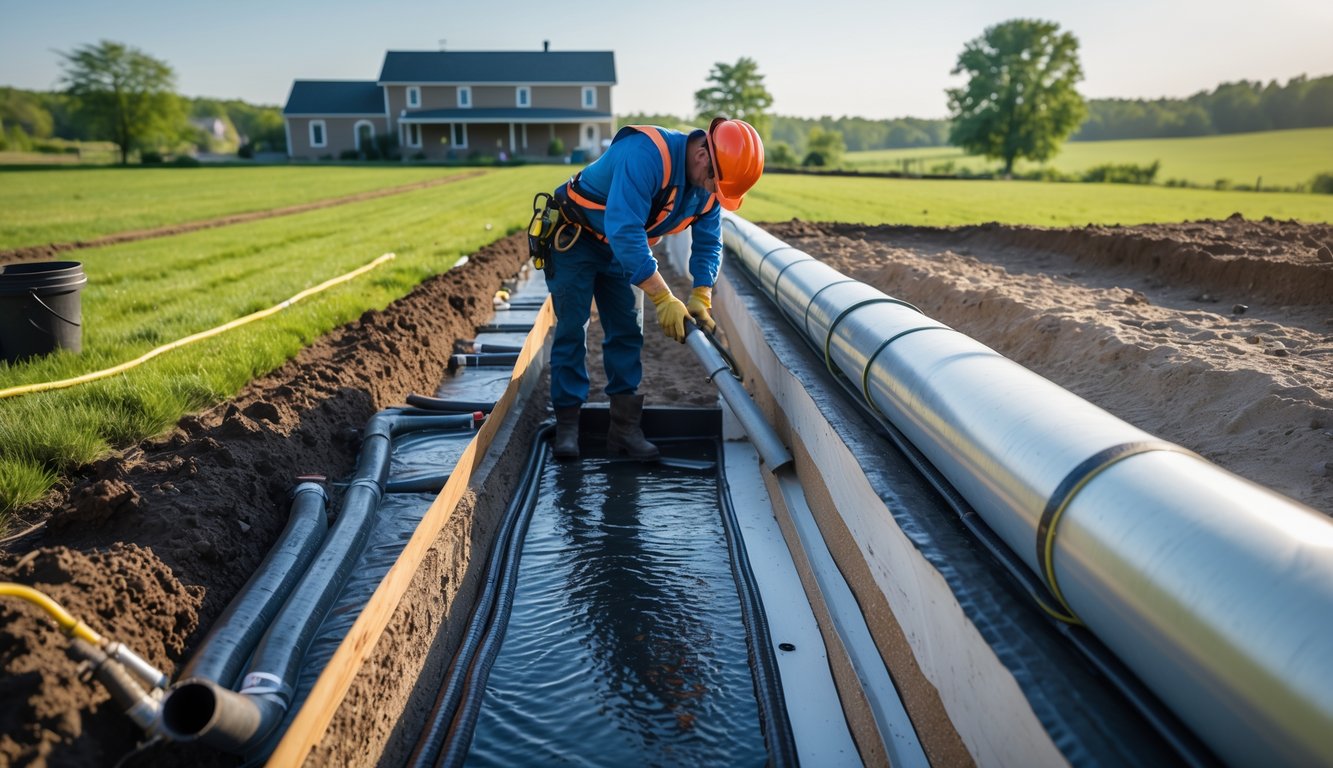
Exterior waterproofing targets water before it can enter your basement. This method usually involves excavating soil around your foundation to reach the exterior walls. Workers then apply a waterproofing membrane or coating to stop water from penetrating the concrete.
A key step is adding a drainage system at the base of the foundation. This system, often called a weeping tile, directs water away from your home. Proper grading ensures rainwater flows away from your property, reducing the risk of seepage.
Many experts say exterior waterproofing is the most effective option, especially for older rural homes. Although it can be more expensive and disruptive than other solutions, it is highly reliable for long-term protection against groundwater.
Interior Waterproofing Approaches
Interior waterproofing helps manage water that enters your basement. One common method is installing a sump pump system. This system collects water in a sump pit and pumps it away from your house, helping to prevent floods and water damage.
Interior drainage channels are placed along basement walls, guiding water to the sump pit. These methods work well when exterior excavation is not possible. Many rural properties with unfinished basements use these solutions because they are less invasive and more cost-effective.
It’s important to note that while interior approaches help keep basements dry, they may not solve the root cause of water intrusion. You should combine these methods with other waterproofing solutions for the best results. Read more about interior and exterior waterproofing methods.
Waterproofing Membranes and Coatings
Waterproofing membranes and coatings are vital in creating a barrier against moisture. There are two main types: liquid-applied coatings and sheet membranes. Liquid coatings are brushed or sprayed onto the surface, drying into a seamless layer that stops water from seeping through cracks.
Sheet membranes are large rolls of material that stick to basement walls. These provide a tough, flexible barrier. Both options must be applied to a clean, dry surface for best results. Some membranes are even designed for self-healing if punctured.
Using a quality membrane or coating significantly improves your foundation’s ability to resist water. When combined with drainage systems, these materials further reduce the risk of leaks and mold.
Advanced Basement Waterproofing Systems
Advanced basement waterproofing systems use multiple solutions together to offer the highest level of protection. These may include both interior and exterior drainage, high-quality waterproofing membranes, sump pumps with battery backup, and vapor barriers.
Modern systems often have interior wall panels that channel water down to a drainage system. Some advanced solutions also monitor humidity and automatically run dehumidifiers as needed.
Homeowners in rural Southern Ontario report fewer basement leaks when using advanced systems. Investing in upgrades like these can lower your risk of foundation damage and costly repairs. To learn what systems may be best for you, read about the best basement waterproofing methods.
Drainage Systems and Sump Pump Installations
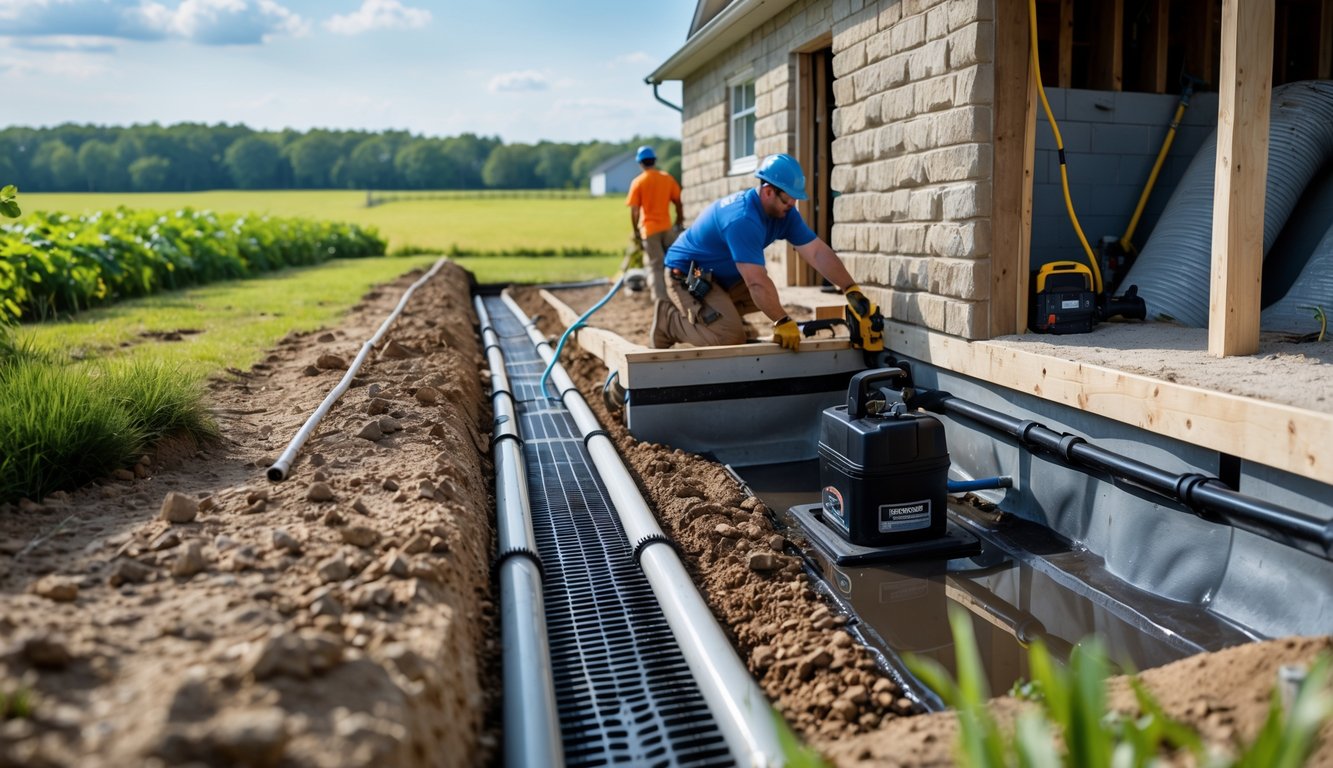
Good drainage systems keep basements dry and protect your home’s foundation from water damage. You need the right solutions for groundwater, rain runoff, and preventing leaks around basement walls and windows.
Weeping Tile Installation for Rural Basements
Weeping tiles are pipes with small holes laid around the base of your basement walls. They collect groundwater before it can seep through the concrete. In rural Southern Ontario, high water tables and heavy rain make proper weeping tile installation especially important.
Weeping tiles are usually placed below the basement floor along the footing and lead water away from your house. Regular inspections help you find clogs or breakages early. In older homes, replacing clay or concrete tiles with perforated plastic pipes can improve flow and reduce maintenance issues.
Inspecting and maintaining these systems can keep your basement dry and stop future flooding. A working weeping tile system also lowers the risk of mold and mildew.
French Drains for Water Diversion
A French drain is a gravel-filled ditch with a pipe that redirects water away from your home. It is often used in rural yards to stop water from pooling along your foundation. French drains move surface water quickly, protecting basements from outside runoff.
Installing a French drain starts with digging a sloped trench away from the building. A perforated pipe goes into the trench, and gravel goes over and around it. This setup encourages water to enter the pipe and move away from high-risk spots near your foundation.
French drains need to be deep enough, often at least 18-24 inches, and sloped correctly for good drainage. Regularly check them for clogs or soil shifting that might block water flow.
Sump Pump System Design and Installation
A sump pump collects and removes water that gathers in your basement’s lowest spot, called the sump pit. In Southern Ontario’s rural areas, where heavy rain or snowmelt can flood basements, a reliable sump pump system is essential.
A good system includes:
- A sump pit or basin
- Primary sump pump with enough horsepower for the area
- Backup battery or water-powered pump in case of power outages
- Discharge pipe that carries water away from the house
It is important to test your sump pump once or twice a year and ensure the discharge line is free of blockages. Sump pump systems should be checked every few years for proper function. For more information, learn about sump pump system basics and installation steps.
Window Well Drainage and Protection
Basement windows below ground level need special drainage solutions. Window wells collect rainwater and channel it away from your windows and walls. Without proper drainage, water can leak inside and cause damage.
A window well should be deep enough so water does not touch the window ledge. At the bottom, a drain pipe or gravel layer helps guide water down to the perimeter drain or weeping tile system. Covering the well with a plastic or metal grate keeps out leaves and debris.
Regularly clear out dirt, leaves, and snow. Inspect window wells each season to make sure the drains are open and water flows freely. Proper window well drainage is key to keeping your basement windows protected and dry. More advice on window well drainage and protection can help you avoid leaks and water problems.
Crack Repairs and Foundation Strengthening

Cracks in your foundation can let water leak inside and weaken the structure over time. Strong repair methods and the right materials are important for keeping your basement dry and stable for years to come.
Evaluating and Sealing Foundation Cracks
Start by checking your basement for visible cracks, which are usually found near windows, door frames, or where the floor meets walls. Even small cracks can get wider and let water in during heavy rain. If you see moisture or white mineral stains, this is a sign water is already seeping through.
Foundation crack repairs often use epoxy or polyurethane injections. These materials fill gaps completely and stop water from moving through the wall. For best results, work with repair services that use low-pressure injection, as it helps glue the concrete together and prevents future leaks. Larger or growing cracks may point to deeper foundation problems that need a professional assessment.
Concrete Repair for Liquid Intrusion
Concrete can wear down from repeated exposure to water. Over time, this causes flatter areas or cold joints (seams between old and new concrete) to leak. You should always check these spots, especially if you notice dampness or mold near them.
To fix leaks, the most common repair is injecting flexible material into the crack. This can be done from inside the basement, making it less invasive. For serious problems, concrete may need to be replaced or extra support installed such as steel posts or carbon fiber strips.
Stopping liquid intrusion also protects your basement air quality by reducing mold and mildew. For more information about different repair methods, you can visit basement waterproofing and repair.
Exterior Crack Solutions for Rural Homes
Rural properties often have unique challenges because of high water tables or older construction methods. Exterior cracks can be hard to spot and may let water into the basement from outside, even when interior walls look fine.
A strong solution is to seal exterior cracks and apply a waterproof coating to the outside of your foundation. Digging around the home’s foundation lets workers clean and patch cracks directly, then use drainage boards or membranes to force water away from the wall. You may also need to direct gutter and surface water away from your building to prevent future damage.
These exterior foundation repair services are especially effective for rural homes in Southern Ontario, where soil conditions and heavy rainfall can lead to leaks. Addressing exterior cracks early can help you avoid larger structural repairs and maintain your foundation’s strength.
Preventing Water Intrusion and Ongoing Maintenance
Keeping your basement dry starts with regular inspection, upfront cost clarity, and ongoing efforts to maintain all waterproofing solutions. Addressing leaky basements early makes future repairs less likely and protects your property’s structure.
Routine Assessments and Transparent Pricing
Routine assessments are key when living on a rural property in Southern Ontario. Cracks in basement walls or floors, musty smells, and water stains are all warning signs you should check for every few months. Small leaks or minor dampness can escalate fast, especially after heavy rain.
Ask for a detailed, written estimate if you need a basement waterproofing service. Reliable companies usually offer clear and transparent pricing, letting you know exactly what each step will cost. This helps you budget and prevents unexpected charges.
A good assessment includes the following:
- Checking for moisture and mold
- Examining all joints, windows, and sump pumps
- Reviewing existing waterproofing systems for wear
- Asking questions about previous flooding or leaks
You can request before-and-after photos or a checklist from the service provider so you know what has been done.
Proactive Waterproofing Maintenance
Maintaining your basement waterproofing system means acting before problems get worse. Clean gutters regularly so water flows away from your foundation. Grade the soil around your house to make sure water doesn’t pool near your basement walls.
Check sump pumps and drains every season. Test battery backups, and make sure discharge pipes are clear, especially before winter and spring. Replace or repair damaged sealants and crack injections quickly.
It’s important to have your waterproofing solutions inspected by a professional at least once a year. They may suggest outside drainage upgrades or improved sealants if your home has a high water table or sits in an area prone to runoff, according to comprehensive guides on basement waterproofing.
Dealing with Leaky Basements Year-Round
Leaky basements can happen even after taking precautions. If water appears, act fast to avoid mold and structural damage. Use a wet vacuum, fans, or dehumidifiers to remove moisture right away. Document all damage with photos for your insurance records.
Watch for repeat leaks and use your assessment checklist to find their source. Plug simple cracks with hydraulic cement for a quick fix, but remember these are temporary solutions. For ongoing problems, contact a basement waterproofing service for a full evaluation.
Keeping emergency supplies like sandbags and a portable sump pump on hand can help you handle leaks during storms or snow melts. Scheduling regular service can prevent small leaks from becoming serious issues, helping extend the life of your basement waterproofing solutions.
Maximizing Living Space and Health Benefits
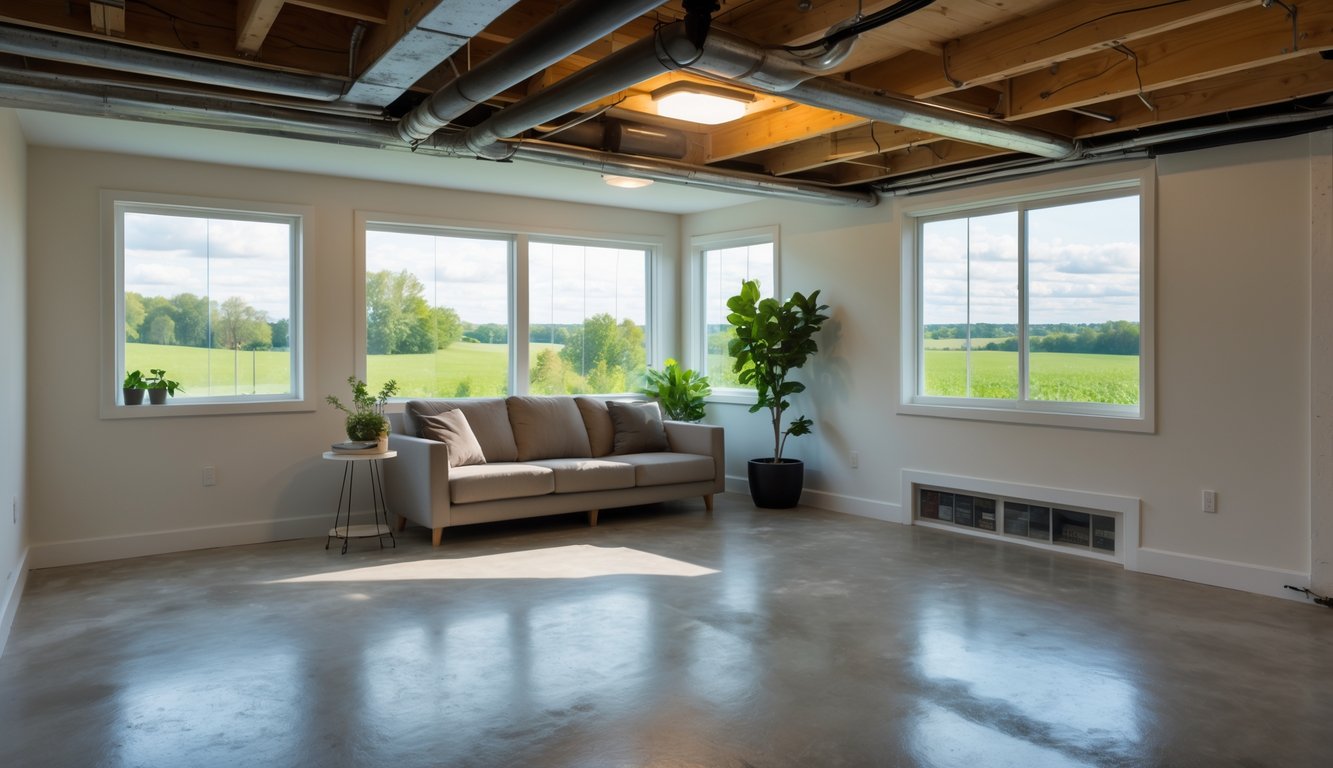
Water intrusion in rural basements reduces comfort and can make entire lower levels unsafe for daily use. With proper waterproofing, you can help prevent health hazards and convert damp, wasted areas into useful living or storage space.
Creating Usable Lower-Level Areas
Waterproofing your basement stops leaks and dampness that often make rural basements unusable. Dry, clean lower levels give you room for extra bedrooms, workshops, or family spaces. This is valuable when you need more living space without expensive home additions.
A waterproofed basement is less likely to develop unpleasant odors or warped flooring. Consistent dryness also helps keep electronics, furniture, and belongings safe from water damage. By addressing leaks early, you avoid costly repairs and boost the usefulness of every square foot below ground.
Below is a simple table showing potential uses for a dry, finished basement:
| Space Conversion | Benefits |
|---|---|
| Home office | Quiet work area |
| Guest room | Extra sleeping space |
| Playroom | Safe, clean play zone |
| Storage | Protects important items |
Preventing Mold and Mildew Growth
Excess moisture encourages mold growth and mildew, both of which are common in rural Southern Ontario basements. These fungi can begin to develop within 24 to 48 hours of water intrusion, especially after heavy rains or snowmelt.
Mold and mildew not only stain walls or floors but also release spores that may trigger allergies or worsen breathing problems. It is estimated that about 21% of asthma cases may be linked to mold exposure in homes. Waterproofing your basement lowers the chance of dangerous mold colonies taking hold.
Regular checks for hidden dampness and early repairs help you avoid costly structural problems. By controlling moisture, you reduce health risks and help keep your family safe.
Improving Air Quality in Rural Homes
A waterproof basement improves overall air quality throughout your home. Moist basements send humid air, mold spores, and dust upstairs, even if you keep the doors closed. Poor basement air quality can lead to lingering smells, increased allergens, and frequent colds or respiratory concerns.
Basement waterproofing blocks air leaks and keeps humidity in check. This reduces the spread of mold spores or musty smells through your heating or cooling systems. Clean air supports better sleep and keeps your home more comfortable year-round.
You can find more details about air quality and its link to waterproofing at How Basement Waterproofing Improves Your Home’s Air Quality and Health.
Choosing Professional Basement Waterproofing Services

Finding the right basement waterproofing service for rural properties in Southern Ontario makes a real difference in protecting your home from water damage. Knowing what to look for in both the experts and the systems they use can save you from stress and costly repairs.
Selecting Qualified Waterproofing Professionals
Look for waterproofing professionals who are fully licensed and insured. This means they have met legal requirements for work in Southern Ontario and can handle any issues that come up on the job.
Ask the basement waterproofing service if they will conduct an in-person inspection before giving you a quote. Professionals should never offer a blanket estimate over the phone or without seeing your property. On-site checks help them spot signs of leaks, foundation cracks, or potential drainage problems.
Check for reviews and ratings online. Reliable professionals often have clear records with consumer protection groups. Ask for references from past rural property jobs. You can also request a list of the products and methods they use.
Comparing Waterproofing Systems and Solutions
Rural basements often face unique challenges like soil drainage problems and seasonal flooding. Here’s a simple comparison of common waterproofing solutions:
| Waterproofing Solution | Key Benefit | Typical Use |
|---|---|---|
| Exterior Sealants | Stops groundwater seepage | Foundation walls |
| Interior Sealants | Fast fix for minor leaks | Basement walls/floors |
| Sump Pumps | Removes excess water | Areas with high water table |
| Weeping Tile | Drains water from soil | Perimeter of foundation |
Each waterproofing solution has its strengths. Discuss with your contractor which options work best for your property. Make sure your choice addresses both current and future water problems. More information about professional waterproofing options is available for Southern Ontario homes.
Understanding Service Guarantees
Before you sign any contract, ask about service guarantees. Warranties should be clear, written, and state exactly what is covered and for how long. Many waterproofing services offer guarantees that range from several years to even a lifetime for some solutions.
Look for details on what will cause the warranty to become void, such as homeowner repairs or changes to the basement. If maintenance is needed for your waterproofing system, ensure the guarantee covers repair or replacement costs.
A trustworthy waterproofing professional will explain their guarantee without hidden conditions. Review the paperwork closely so you know your rights if a problem returns after the work is finished.
Frequently Asked Questions
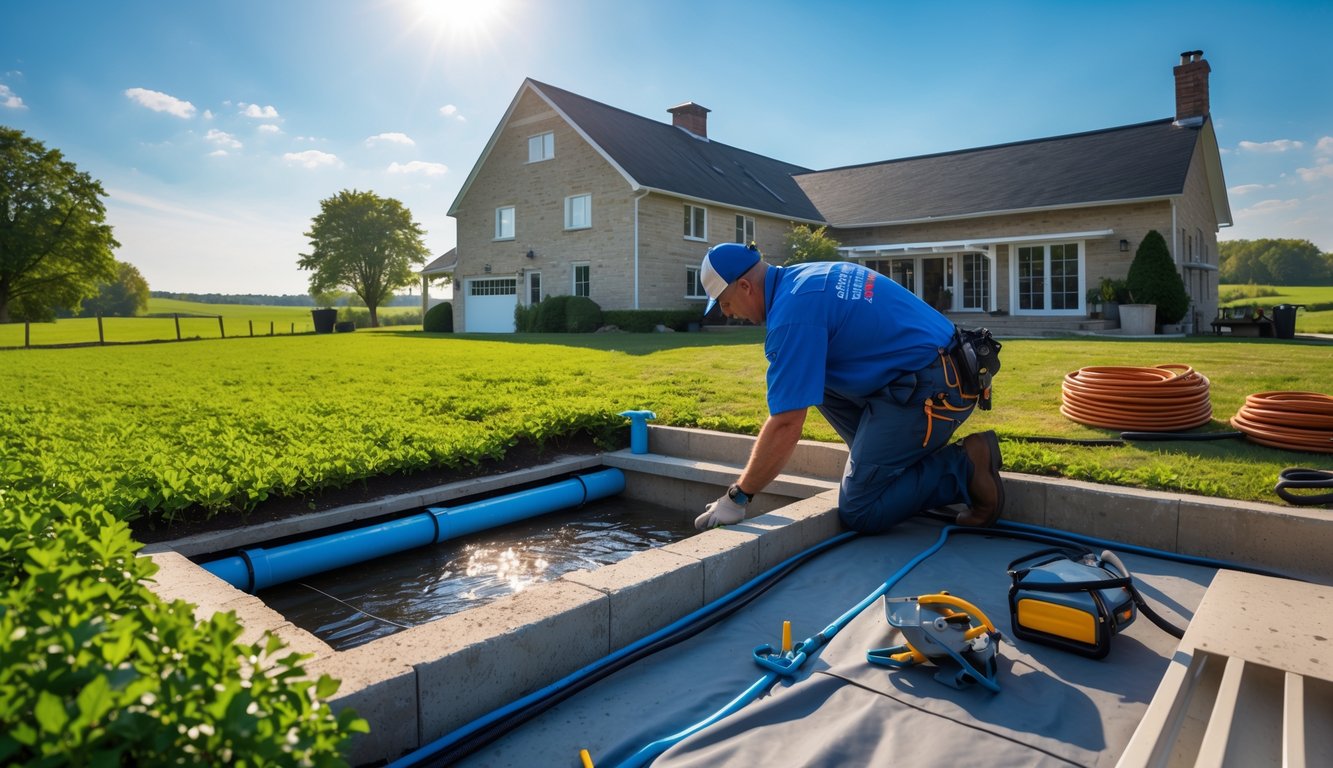
Basements in rural Southern Ontario often have issues with groundwater, heavy rain, and older structures. You may notice unique concerns around water entry and soil conditions compared to homes in towns or cities.
What are the most effective methods for waterproofing basements in rural Southern Ontario?
Exterior waterproofing is one of the most reliable ways to keep water out. This process involves excavating around the foundation to apply a waterproof membrane and install drainage.
Interior solutions, like sump pumps and crack injection, help manage water that already gets inside. Choosing the right method depends on your home’s age, soil type, and water problems.
How does the climate in Southern Ontario impact basement waterproofing needs?
Southern Ontario’s weather brings heavy rain, snow, and thaw cycles. These conditions cause the water table to rise and put pressure on basement walls.
Seasonal changes can increase the risk of leaks and cracks. Waterproofing must consider freeze-thaw cycles and frequent wet periods for long-lasting results, as noted in this guide to basement waterproofing in Ontario.
What are the signs that indicate a rural property’s basement requires waterproofing?
Common signs include water stains, pooling water, musty smells, and visible cracks in the walls or floor. You may also spot mold growth or crumbling concrete.
These issues can appear suddenly after big storms or develop slowly over months. Address them quickly to avoid structural damage.
Can you compare the benefits of interior versus exterior basement waterproofing?
Exterior waterproofing blocks water before it reaches the basement walls. It is very effective for managing surface and groundwater, especially in rural areas with heavy clay soil.
Interior options, like drainage channels and sealants, are less invasive and cost less upfront. However, they deal with water after it enters the basement. Both may be used together for severe water problems. Learn more from this Ontario basement waterproofing FAQ.
What are common challenges with basement waterproofing in rural areas compared to urban settings?
Rural properties often face higher groundwater levels, poor drainage, and older foundations with less protection. Access for excavation can also be more difficult due to large yards or unpaved surfaces.
Soil types can vary more in rural areas, which affects how water moves around your home. Maintenance might be trickier due to fewer local contractors.
What should a homeowner look for when choosing a contractor for waterproofing their basement?
Look for trained and insured professionals with experience in rural basement systems. Ask about their method, warranties, and previous projects like yours.
Choose a contractor willing to inspect your property and provide a detailed plan. For more tips, visit this frequently asked questions page about basement waterproofing.