Professional Services for Electrical Safety and Efficiency
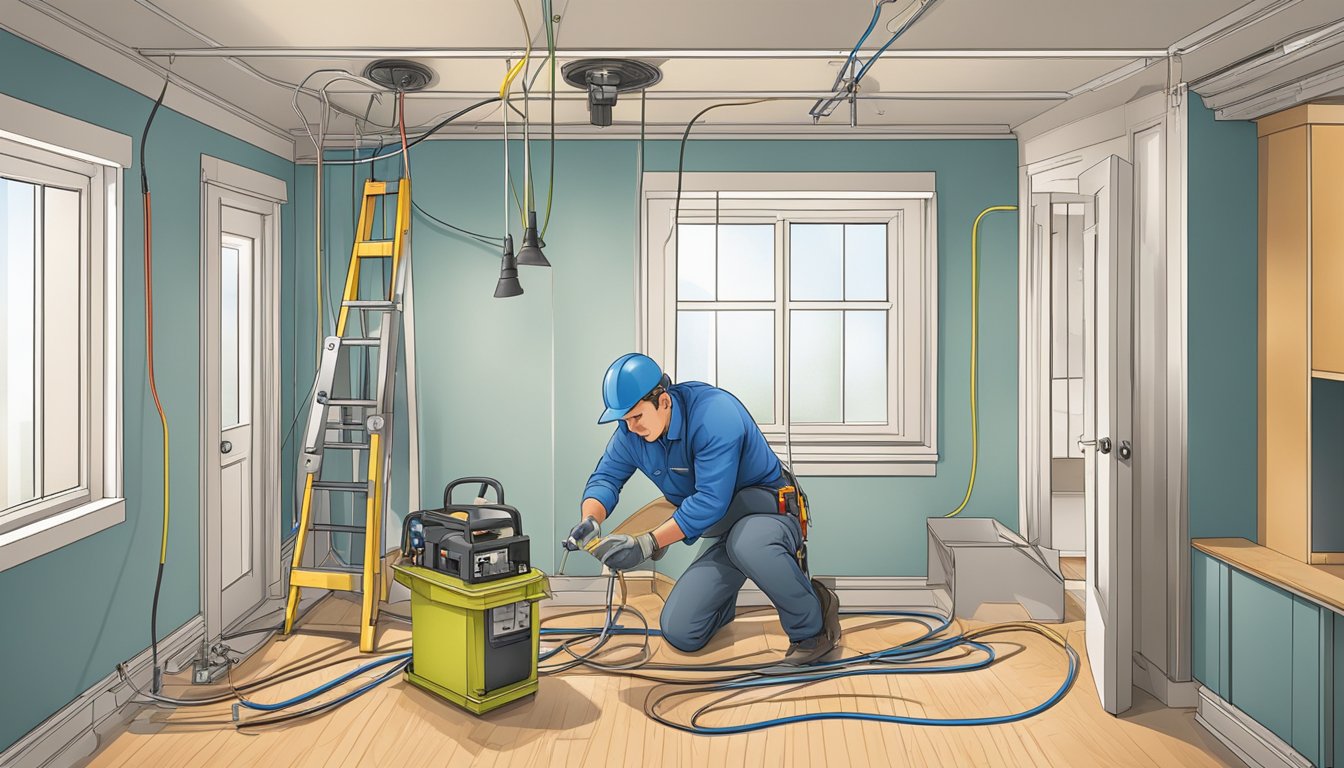
When it comes to your home’s electrical needs, a residential electrician plays a key role. These skilled professionals handle a wide range of tasks, from simple repairs to complex installations. A residential electrician can ensure your home’s electrical systems are safe, efficient, and up to code.
Hiring a professional for your electrical work is crucial. They have the training and tools to tackle jobs big and small. This includes wiring new outlets, upgrading electrical panels, and installing lighting fixtures. You can trust them to do the job right and keep your home safe from electrical hazards.
Good electricians offer more than technical skills. They provide clear explanations and friendly communication. This helps you understand the work being done and make informed decisions about your home’s electrical needs. Whether you need a quick fix or a major upgrade, a skilled electrician can guide you through the process with ease.
Understanding Residential Electrical Services
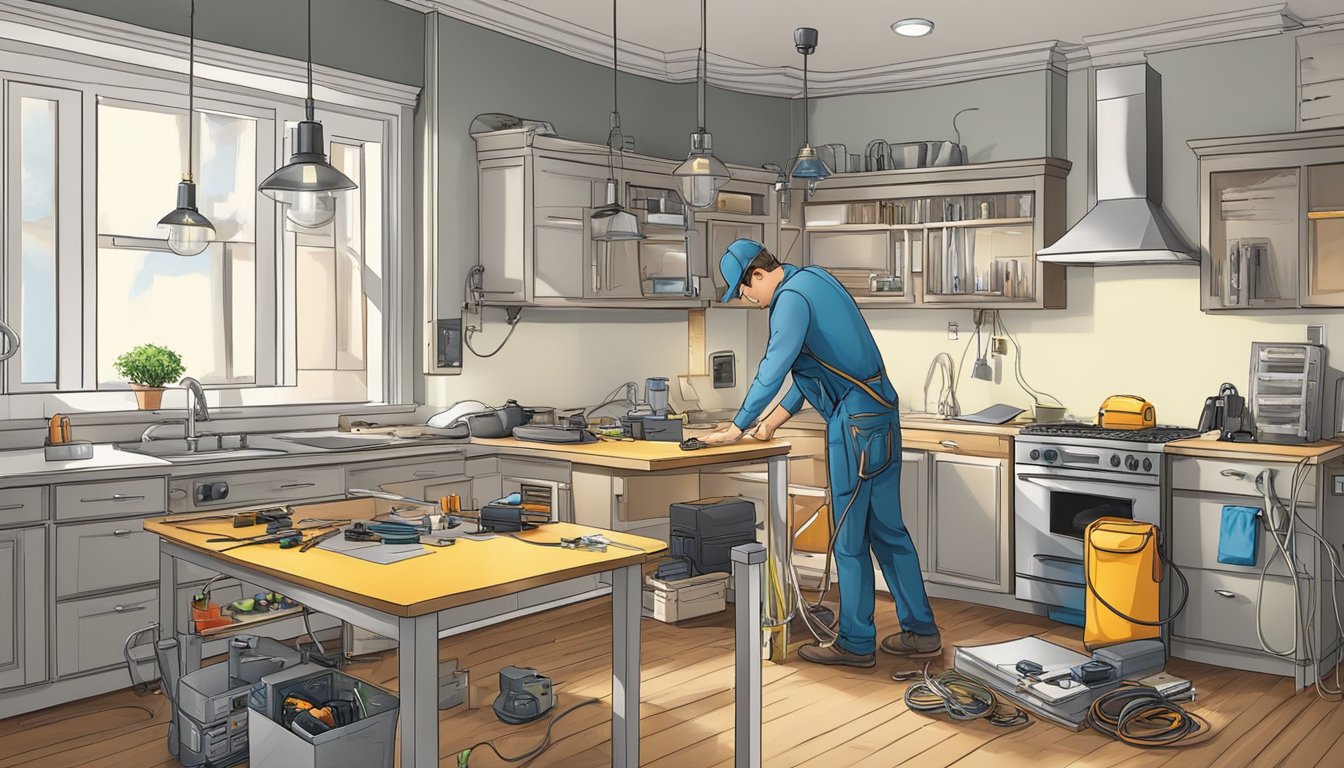
Residential electrical services cover a wide range of tasks to keep your home’s power systems safe and functional. These services are crucial for maintaining your electrical system and ensuring it meets current standards.
Scope of Electrical Work
Residential electrical services include installations, repairs, upgrades, and inspections. Common tasks involve:
- Installing new outlets and switches
- Upgrading electrical panels
- Rewiring old or damaged circuits
- Setting up lighting fixtures
- Troubleshooting electrical issues
Electricians also handle more complex jobs like whole-house rewiring or installing backup generators. They ensure your home’s electrical system can handle modern appliances and tech devices safely.
Regular electrical inspections are important. They help catch potential problems before they become dangerous. A professional can spot worn wiring, overloaded circuits, and other hazards you might miss.
Professional Electricians Vs. DIY
While some minor electrical tasks might seem simple, most electrical work requires a professional. Here’s why:
- Safety: Electrical work can be dangerous if done incorrectly. Professional electricians have proper training and equipment to handle risks.
- Code Compliance: Licensed electricians know local codes and ensure your system meets all requirements.
- Expertise: Professionals can diagnose complex issues and offer the best solutions.
- Time and Cost: DIY mistakes can be costly and time-consuming to fix. Hiring a pro often saves money in the long run.
For simple tasks like changing a light switch, DIY might be okay. But for anything involving wiring or your main electrical panel, always call a professional. Your safety and your home’s integrity depend on it.
Key Electrical Installations and Upgrades
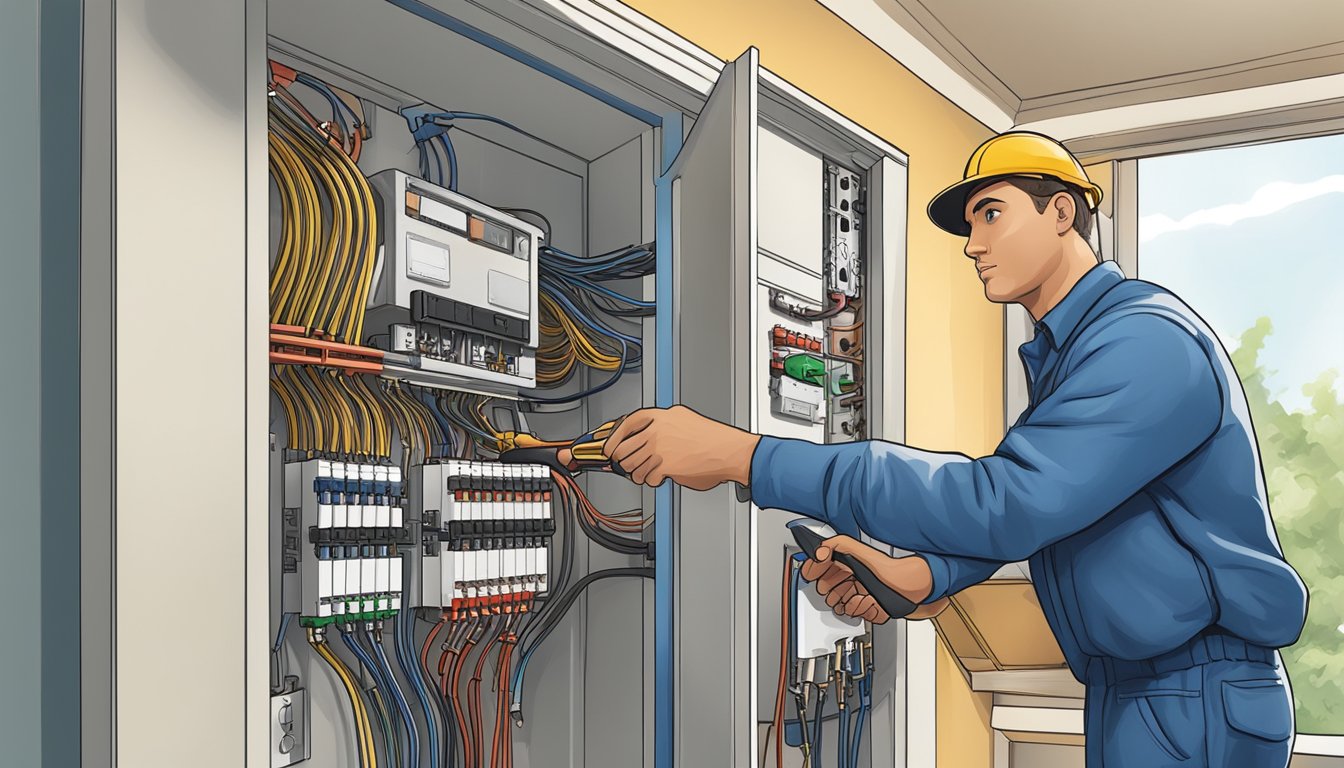
Electrical installations and upgrades can improve your home’s safety, efficiency, and functionality. These projects involve enhancing your electrical system to meet modern needs and standards.
Electrical Panel Installation
Electrical panel installation is a crucial upgrade for many homes. A new panel increases your electrical capacity and safety. You may need a panel upgrade if you have an older home or are adding new appliances.
Electrical panel upgrades typically cost between $1,500 to $3,000. This price varies based on your specific needs and the complexity of the installation.
Signs you might need a new panel:
- Frequent circuit breaker trips
- Flickering lights
- Buzzing sounds from outlets
- Burning smells near the panel
A new panel can support 200 amps or more, compared to older 60 or 100 amp panels. This extra capacity allows for more circuits and larger appliances.
Lighting Installation
Upgrading your lighting can transform your living spaces and save you money. New lighting improves visibility, creates ambiance, and can increase energy efficiency.
Lighting installation upgrades are often cost-effective home improvements. LED lights use up to 75% less energy than traditional bulbs and last much longer.
Popular lighting upgrades include:
- Recessed ceiling lights
- Under-cabinet kitchen lighting
- Outdoor security lights
- Smart lighting systems
Smart lighting allows you to control your lights remotely and set schedules. This can improve security and energy savings.
Generator Installation
A generator installation provides backup power during outages. This can be crucial for keeping essential appliances running and maintaining comfort and safety.
Types of generators:
- Portable generators
- Standby generators
Standby generators automatically turn on when power is lost. They can power your entire home or select circuits.
Key factors in generator selection:
- Power output (measured in watts)
- Fuel type (natural gas, propane, diesel)
- Noise level
- Installation location
A professional installation ensures your generator is properly sized and safely connected to your electrical system.
Dedicated Ground Circuit Interrupter
A dedicated ground circuit interrupter (GFCI) protects you from electrical shocks. These devices quickly cut power when they detect a ground fault.
GFCIs are required in areas where water and electricity might mix, such as:
- Kitchens
- Bathrooms
- Outdoor outlets
- Garages
Installing GFCIs involves replacing standard outlets or adding GFCI breakers to your electrical panel. This upgrade significantly improves your home’s electrical safety.
GFCIs can react in as little as 1/40 of a second to prevent serious shocks. Regular testing of these devices is important to ensure they’re working properly.
Maintenance and Safety Protocols
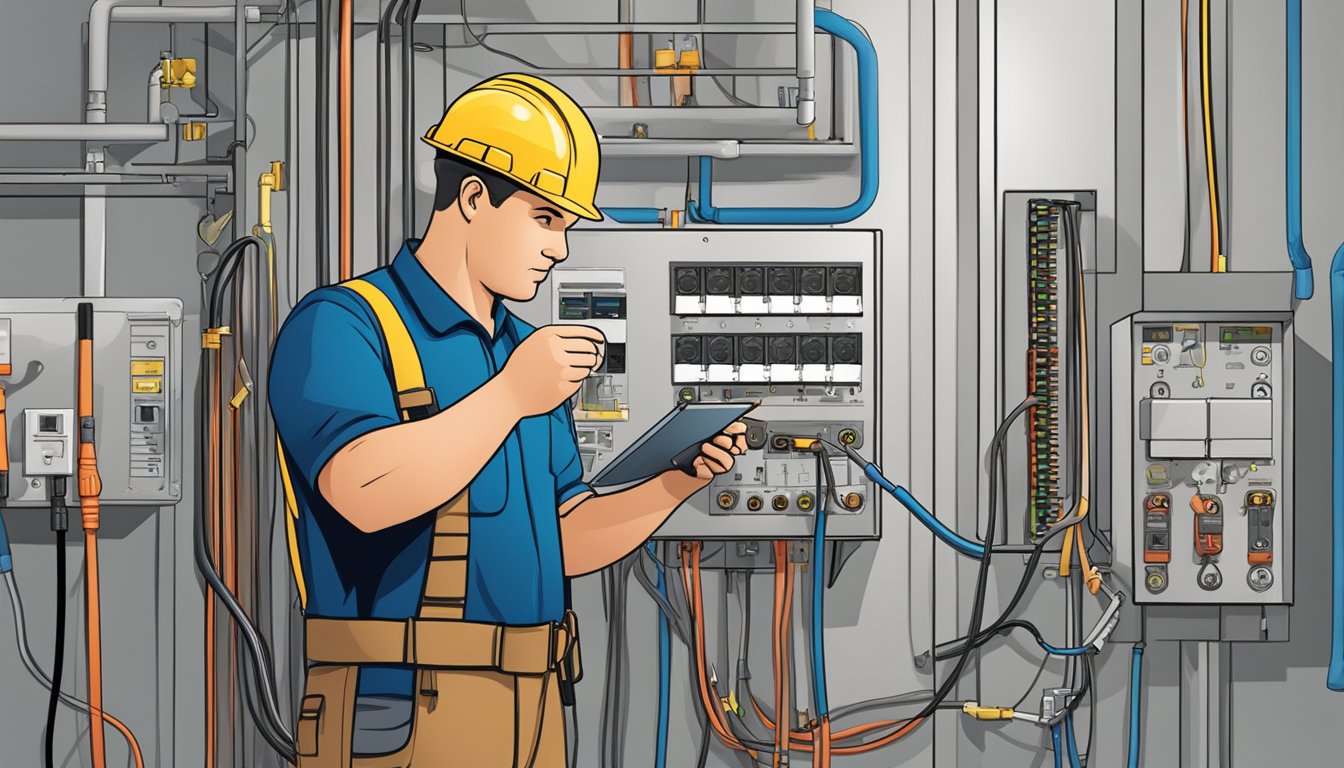
Regular checks and following safety rules keep your home’s electricity working well. Good upkeep helps stop problems before they start.
Regular Maintenance Checks
Electrical maintenance is key for a safe home. Check your outlets and switches often. Look for signs of wear like cracks or burn marks. Test your circuit breakers yearly to make sure they trip when needed.
Look at your wiring, too. Frayed or exposed wires are dangerous. If you see any, call a pro right away. Don’t try to fix them yourself.
Clean your electrical panels. Dust can cause shorts. Use a dry cloth or vacuum. Never use water.
Check outside connections, too. Weather can damage them. Make sure they’re sealed well.
Safety Standards and Compliance
Your home must meet electrical safety standards. These rules keep you safe. They cover things like wire size and grounding.
Get a pro to check your system every few years. They can spot issues you might miss. They’ll make sure everything meets code.
Use the right tools for electrical work. Don’t skimp on quality. Cheap tools can break and cause harm.
Always turn off power before working on anything electrical. Use a voltage tester to be sure it’s off.
Teach your family about electrical safety. Show them how to use appliances safely. Tell them what to do if they smell burning or see sparks.
Backup Generators and Safety
Backup generators can keep your lights on during outages. But they need care to work safely.
Place your generator outside, away from doors and windows. Never use it indoors. The fumes are toxic.
Keep it dry. Use a cover when it’s not in use. Rain and snow can damage it.
Check the fuel and oil levels before each use. Old fuel can gum up the engine.
Test your generator monthly. Run it for a few minutes to keep parts moving.
Have a pro install a transfer switch. This keeps generator power from going into power lines. It protects you and utility workers.
Store fuel safely in approved containers. Keep them away from living areas.
Selecting a Residential Electrician

Picking the right electrician is key for safe and quality work in your home. You need to look at their skills, what others say about them, and how much they charge.
Assessing Electrician Credentials
When choosing an electrician for your home, check their qualifications first. Look for licensed professionals with proper training and certifications.
A top qualification is the Red Seal Certification. This shows the electrician has met high standards in their field.
Ask about their experience with jobs like yours. A good electrician will have done similar work before.
Check if they have insurance. This protects you if something goes wrong during the job.
Don’t forget to ask about any extra training or specialties they might have. These can be helpful for unique projects.
Customer Reviews and Testimonials
Reading what other customers say can help you pick a good electrician. Look for reviews on trusted websites and social media.
Pay attention to comments about:
- Quality of work
- Timeliness
- Communication
- Cleanliness
- Problem-solving skills
Good electricians often have many positive reviews. But a few bad ones are normal. See how they handle complaints.
Ask the electrician for references from past clients. Speaking directly with others who’ve used their services can give you great insights.
Obtaining a Quick Price Quote
Getting a price estimate helps you plan your budget. Most good electricians offer free quotes.
Ask for a detailed breakdown of costs. This should include:
- Labor
- Materials
- Any extra fees
Be clear about your needs when asking for a quote. The more info you give, the more accurate the price will be.
Compare quotes from different electricians. But remember, the cheapest isn’t always the best choice.
Ask about payment terms. Some might want a deposit, while others bill after the job is done.
Getting multiple quotes helps you find a fair price for quality work.